In a world where we are constantly bombarded with information, it’s no surprise that our emotions are heavily influenced by design choices, including colors and words. Whether you're designing a resume, creating marketing materials, or simply communicating with others, the right combination of colors and words can trigger positive emotions that build trust and make a memorable impression. In this post, we’ll explore how color and word choices impact emotions and how they can be strategically used to create positive feelings in professional settings, from resumes to promotional content.
Introduction
Human emotions are strongly influenced by both visual and linguistic cues. Colors and words are not just functional elements of communication they carry emotional weight. Understanding how these elements work on a psychological level can help you craft content that resonates with your audience on an emotional level. When it comes to professional materials like resumes or marketing content, leveraging the power of color and words can trigger positive emotions that make you stand out, whether in a hiring process or a marketing campaign.
The Psychology of Color
Color psychology studies how colors influence human behavior and emotions. Every color has psychological associations and can evoke different feelings, which is why choosing the right color can make a significant difference in how your message is received. When applied correctly, color can trigger emotions such as calmness, excitement, trust, or urgency. Let’s explore what different colors mean and how you can use them effectively in your resume or other professional materials.
What Different Colors Mean
Each color elicits specific emotional responses, and understanding these can help you make strategic design choices. Here’s a breakdown of some common colors and their psychological associations:
- Blue: Often associated with trust, calm, and professionalism. Blue is a popular color in business settings, particularly in resumes and corporate branding, because it evokes feelings of reliability and competence.
- Red: A color that conveys energy, passion, and urgency. Red can be effective for highlighting key information, but should be used sparingly as it can be perceived as aggressive or overwhelming if overused.
- Green: Symbolizes growth, harmony, and stability. Green is often used in industries like health, sustainability, and finance to convey a sense of balance and trustworthiness.
- Yellow: Represents optimism, creativity, and positivity. While yellow can be energizing, it should be used in moderation to avoid being perceived as too intense or distracting.
- Black: Conveys sophistication, power, and elegance. It’s a great choice for formal documents, but it can also feel serious and distant if overdone.
- Orange: A vibrant, energetic color that evokes enthusiasm and friendliness. Orange is ideal for creative industries but can appear too bold or unprofessional in more conservative fields.
Using Colors in Resumes
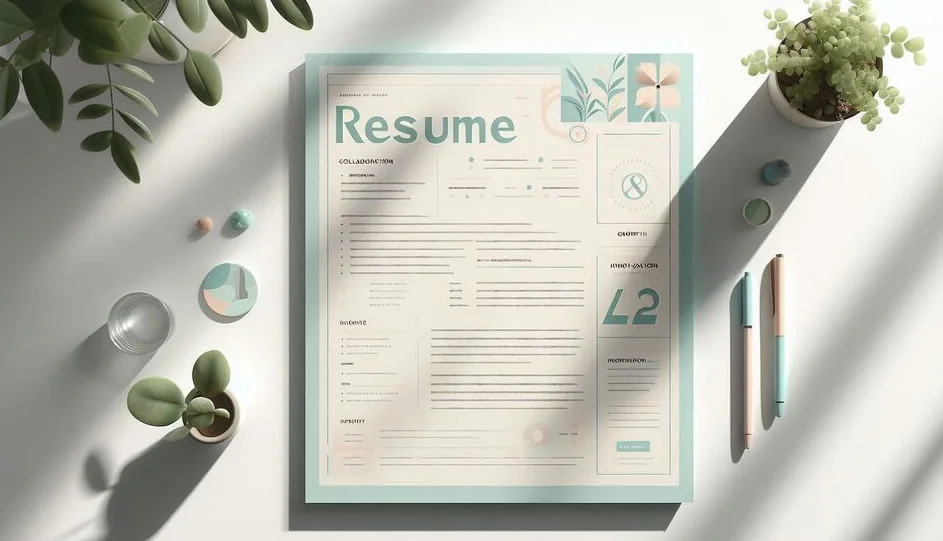
When designing a resume, using color strategically can make your document more appealing and help highlight important sections. Consider using one or two colors that complement each other and align with the industry you are applying to. For example, using blue for headings and green for key sections (such as skills or achievements) can convey both trustworthiness and growth. Avoid using too many colors, as it can make your resume look cluttered and detract from the professionalism of the content.
The Psychology of Word Choices
Just as color choices influence emotions, so do the words we use. Certain words can evoke strong emotional reactions, making your message feel more personal, persuasive, and trustworthy. Choosing positive, impactful language is crucial when creating professional materials like resumes, cover letters, and marketing copy. Let’s take a closer look at the power of word choices and how they can trigger positive emotions.
Positive Words That Evoke Trust
Words have the power to shape perceptions. Positive, confident language helps create trust and engagement. Here are some examples of positive words that can trigger trust and inspire confidence:
- Accomplished: Indicates that you have achieved something significant and are competent in your field.
- Proven: Conveys credibility and demonstrates past success.
- Skilled: Highlights your expertise and competence.
- Dynamic: Evokes energy and action, making you seem proactive and adaptable.
- Collaborative: Suggests you are a team player and can work well with others, which is often a highly valued trait in professional settings.
Using Emotive Language Effectively
Emotive language goes beyond simply stating facts it taps into feelings and helps create a connection. For example, rather than stating “I managed a team,” use more emotive language like “I successfully led a team to achieve company goals, resulting in a 20% increase in productivity.” This provides more context and evokes positive feelings about your leadership and impact. Emotive language makes your accomplishments feel more significant and adds depth to your experience.
How to Combine Color and Word Choices
To create a truly impactful and positive impression, it’s important to combine color psychology and strategic word choices. By aligning the emotional triggers of color with powerful language, you can craft a message that resonates with your audience on both a visual and verbal level.
Creating a Positive Resume
For your resume, choose a clean, professional design with a pop of color to highlight important sections. Use positive language in your experience and skills sections. For example, instead of simply listing responsibilities, frame your accomplishments with strong, action-oriented words and quantify your results where possible.
Crafting Marketing Materials with Positive Emotions
When crafting marketing materials, such as brochures, websites, or email campaigns, use color to guide the reader’s emotions and make your message visually appealing. Use words that evoke positivity, urgency, and trust to prompt action, whether it’s a purchase, sign-up, or engagement. For example, a combination of green for trust and blue for calm, paired with words like "guaranteed" or "proven," can create a persuasive message that encourages the audience to take the next step.
Common Mistakes to Avoid
While color and word choices are powerful tools, it’s important to avoid overuse or misapplication. Some common mistakes to watch out for include:
- Overloading on color: Too many colors can overwhelm the reader and dilute the message. Stick to a simple, cohesive color scheme.
- Using negative or vague language: Avoid words that suggest uncertainty or negativity. Instead, focus on positive action verbs and accomplishments.
- Overcomplicating the message: Keep language clear and concise to maintain focus on the core message.
Conclusion
The right combination of color and word choices can significantly enhance the emotional impact of your professional materials. Whether you're designing a resume or creating marketing content, using color psychology and positive language strategically can help trigger the right emotions and make a lasting impression. By understanding how these elements influence perception, you can optimize your materials for greater success.