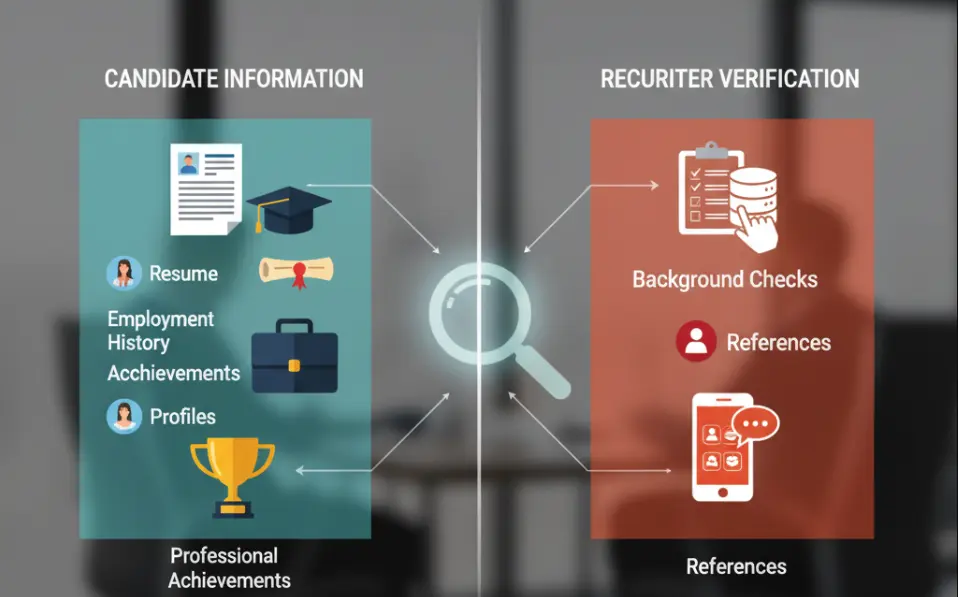
Recruiters review hundreds of resumes and professional profiles when searching for the right candidate. While many applicants assume that hiring managers only scan resumes briefly, the reality is that recruiters often verify specific information before making final hiring decisions. Double checking candidate data helps companies reduce hiring risks, confirm credibility, and ensure that applicants possess the qualifications they claim. Verification processes may occur during early screening, late stage interviews, or formal background checks after a job offer. Understanding what information recruiters actually validate can help job seekers present accurate, credible, and well structured resumes that withstand professional scrutiny.
Why Recruiters Double Check Candidate Information
Recruiters and hiring managers carry significant responsibility when selecting candidates for open roles. A poor hiring decision can lead to financial losses, reduced team productivity, and potential reputational damage for an organization. Because of these risks, companies often verify key aspects of a candidate professional history before extending an offer or finalizing employment.
Verification helps employers confirm that applicants truly possess the experience and qualifications described in their resumes. It also ensures alignment between a candidate background and the responsibilities required for the role. In competitive hiring environments, recruiters must distinguish between genuine achievements and exaggerated claims. Double checking candidate information protects organizations while also maintaining fair hiring standards.
Most Common Data Recruiters Verify
Employment History
Employment history is one of the most frequently verified elements in a resume. Recruiters commonly confirm whether candidates actually worked at the companies they listed. This verification may involve contacting previous employers, reviewing professional networking profiles, or conducting third party employment checks.
Accurate company names, employment timelines, and role descriptions are essential. Inconsistent or unclear employment records can raise concerns about credibility and transparency. Candidates should ensure that their employment history aligns across resumes, application forms, and professional profiles.
Job Titles and Responsibilities
Recruiters also examine whether job titles accurately reflect a candidate responsibilities. Sometimes applicants modify titles slightly to better match industry terminology or highlight leadership responsibilities. While minor adjustments may be acceptable, significant exaggeration can easily be identified during reference checks or interviews.
Recruiters often ask candidates to describe their daily responsibilities in detail during interviews. If those explanations do not match the claims on a resume, hiring managers may question the accuracy of the entire application.
Education Credentials
Educational qualifications are another common area of verification. Recruiters frequently confirm degrees, graduation dates, and the institutions where candidates studied. For roles that require specific educational backgrounds such as engineering, finance, or healthcare, verifying academic credentials becomes even more important.
Some organizations use background screening services to verify academic records directly with universities or educational databases. Any discrepancies between claimed and verified information may lead to disqualification from the hiring process.
Skills and Certifications
Professional certifications and specialized skills are also examined carefully. Employers want to ensure that candidates possess the technical or professional abilities required for the role. In many industries certifications represent regulated or standardized expertise, so verifying them becomes essential.
Recruiters may confirm certification numbers, issuing organizations, and expiration dates. In technical fields hiring managers may also assess skill claims through technical interviews, portfolio reviews, or practical assessments.
Dates of Employment
Employment timelines are often verified to ensure that there are no unexplained gaps or overlapping positions. Recruiters compare dates listed on resumes with those reported by previous employers or recorded in professional databases. While small discrepancies may occur due to memory or formatting differences, major inconsistencies can raise concerns about honesty.
How Recruiters Validate Performance Claims
Checking Metrics and Achievements
Many modern resumes emphasize measurable achievements such as revenue growth, conversion increases, or operational improvements. While recruiters may not verify every number directly, they often evaluate whether these metrics appear realistic and consistent with the candidate role and industry context.
During interviews recruiters frequently ask follow up questions about specific achievements. Candidates may be asked to explain how results were measured, what strategies were used, and how their contributions influenced the outcome. Detailed explanations help confirm whether the achievements are genuine.
Validating Project Contributions
Project based accomplishments are another area recruiters examine carefully. Hiring managers may ask candidates to describe the project timeline, team structure, challenges faced, and final results. These discussions help determine whether the applicant played a significant role or simply participated in a larger team effort.
Strong candidates can clearly explain their contributions and the impact their work had on the project success. This ability demonstrates both authenticity and professional competence.
Formal Background Checks and Screening
Reference Checks
Reference checks remain one of the most traditional verification methods in recruitment. Employers often contact previous managers or supervisors to confirm employment details and gather insights about a candidate work style, reliability, and professional behavior.
References may also provide context about leadership abilities, collaboration skills, and problem solving approaches. Positive reference feedback can significantly strengthen a candidate credibility during the final hiring stages.
Criminal Record Verification
In certain industries companies conduct criminal background checks to ensure workplace safety and regulatory compliance. These checks are more common in roles involving financial responsibility, sensitive data access, healthcare, education, or government related work.
The scope of these checks depends on local regulations and company policies, but their purpose is to confirm that candidates meet legal and organizational requirements.
Professional Social Media Review
Many recruiters review publicly available professional profiles and online activity to better understand candidates. Platforms such as professional networking sites often provide additional information about career history, endorsements, and industry engagement.
Recruiters may compare the information on these profiles with the resume submitted by the candidate. Consistency across platforms strengthens credibility and signals professionalism.
How Candidates Can Prepare for Recruiter Verification
Preparing for recruiter verification begins with accuracy and transparency. Candidates should ensure that every detail listed on their resume can be confidently explained and supported if necessary. Employment dates, role responsibilities, and measurable achievements should reflect real experiences.
Maintaining consistent information across resumes, application forms, and professional profiles is also essential. Discrepancies between these sources may raise questions during background screening. Candidates should also notify references in advance so that they are prepared if contacted by recruiters.
Common Resume Mistakes That Get Flagged
Several common mistakes often trigger recruiter scrutiny. Exaggerated job titles, unrealistic performance metrics, incorrect employment dates, and false educational claims are among the most frequent issues. Even small inconsistencies can create doubts about a candidate honesty.
Another common problem is listing skills without the ability to demonstrate them during interviews. Recruiters and hiring managers often test claimed abilities through scenario questions or practical evaluations.
The best strategy for avoiding these issues is simple honesty combined with clear, measurable achievements that accurately reflect professional experience.
Conclusion
Recruiters double check several key pieces of candidate information during the hiring process to ensure credibility and reduce risk. Employment history, education credentials, job titles, professional certifications, and measurable achievements are among the most frequently verified details. In addition, reference checks, background screening, and professional profile reviews help employers confirm a candidate qualifications and professional reputation. For job seekers, the most effective strategy is presenting truthful information supported by clear examples and measurable results. When resumes accurately reflect genuine accomplishments, candidates build trust with recruiters and significantly improve their chances of securing job offers.