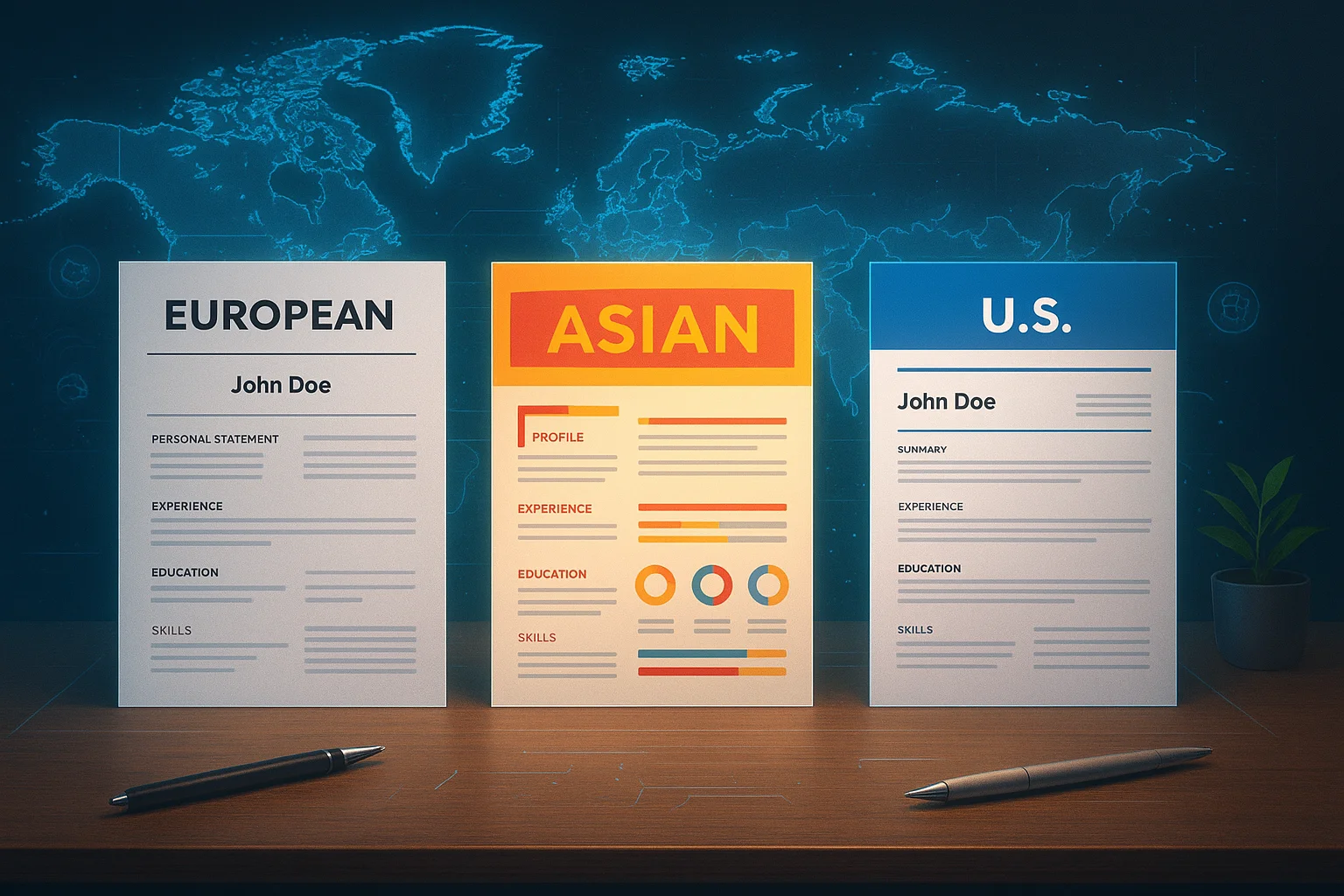
When applying for jobs internationally, understanding how resumes differ culturally is crucial. The design elements such as color, format, and tone vary widely depending on the country, and these differences can impact the way hiring managers perceive candidates. A resume that works well in one region may be seen as inappropriate or confusing in another. This blog post explores the nuances of cross-cultural resume design, helping job seekers craft applications that resonate across borders and maximize their chances of success.
Why Cross-Cultural Resume Design Matters
Navigating the Global Job Market
The international job market has become increasingly accessible due to digital platforms and remote work. Yet, this accessibility also means job seekers must adapt their resumes to meet the expectations of diverse cultures. Ignoring these differences can result in missed opportunities or misunderstandings.
How Culture Shapes First Impressions
Colors, layouts, and the tone used in resumes evoke different emotions and signals across cultures. What may be seen as confident and modern in one country could be perceived as unprofessional or overly casual in another. Recognizing these cultural cues helps candidates make positive first impressions.
Color Usage Across Countries
Western Countries
In many Western countries like the United States, Canada, and the UK, neutral colors such as black, white, and grey dominate resume designs. Subtle color accents like navy blue or dark green are sometimes used to add personality without overwhelming the document. Bright colors or heavy use of color can be viewed as unprofessional.
Asian Countries
In Asian cultures, color symbolism is significant. For example, red is often associated with luck and prosperity in China and may be used carefully to emphasize headers or key achievements. However, excessive bright colors may not be common in formal resumes, especially in countries like Japan and South Korea, where simplicity and minimalism are preferred.
Middle East and Other Regions
In Middle Eastern countries, resumes tend to use traditional, formal colors like black and dark blue. However, some regions may appreciate more decorative elements or calligraphy styles on CVs, reflecting local aesthetics. It is important to research country-specific preferences to avoid cultural faux pas.
Format Variations by Region
United States and Canada
Resumes in North America typically focus on brevity, clarity, and relevance. The preferred format is reverse-chronological, emphasizing recent roles and achievements with bullet points. Personal information like age, photo, or marital status is usually excluded to avoid bias.
Europe
Many European countries favor the Europass CV format or variations of it. These CVs tend to be more detailed and include personal information such as nationality and sometimes a photo. Length may extend beyond one page, especially for experienced professionals.
Asia
Asian resumes often include a photo, date of birth, marital status, and sometimes even family information. The format may be more narrative, with emphasis on education and formal qualifications. Some countries prefer very concise resumes, while others accept more elaborate formats.
Latin America
In Latin American countries, resumes often combine formal and personal information, including photos and signatures. The format might also include references upfront. Visual appeal can be more important here, and including accomplishments with quantifiable results is appreciated.
Tone and Style Differences
Formal vs Informal Tone
Some cultures prefer very formal, humble language in resumes, avoiding exaggeration and overt self-promotion. Others, such as in the US, appreciate confident, direct language that highlights achievements clearly and boldly.
Cultural Attitudes Toward Self-Promotion
In Western cultures, self-promotion is generally accepted and expected within resumes. However, in many Asian or Scandinavian countries, modesty is valued, and excessive self-praise can be seen as a negative trait.
Language and Politeness
Language tone can vary, with some cultures emphasizing politeness and indirectness, while others prefer straightforward communication. Job seekers should adjust their tone based on the country’s norms and the industry’s expectations.
Best Practices for Cross-Cultural Resume Success
Researching country-specific resume guidelines is essential before applying internationally. Use local templates when available and adapt colors, formats, and tone accordingly. Avoid assumptions based on your home country’s standards and seek feedback from native professionals or local career services. When in doubt, err on the side of professionalism, clarity, and respect for cultural norms.
Conclusion
Cross-cultural resume design is a subtle but powerful way to improve your chances of success in international job markets. Understanding how color, format, and tone vary by country helps job seekers create resumes that resonate with hiring managers and avoid cultural missteps. By tailoring your resume thoughtfully, you demonstrate cultural awareness and respect, which are increasingly valuable traits in today’s globalized workforce.