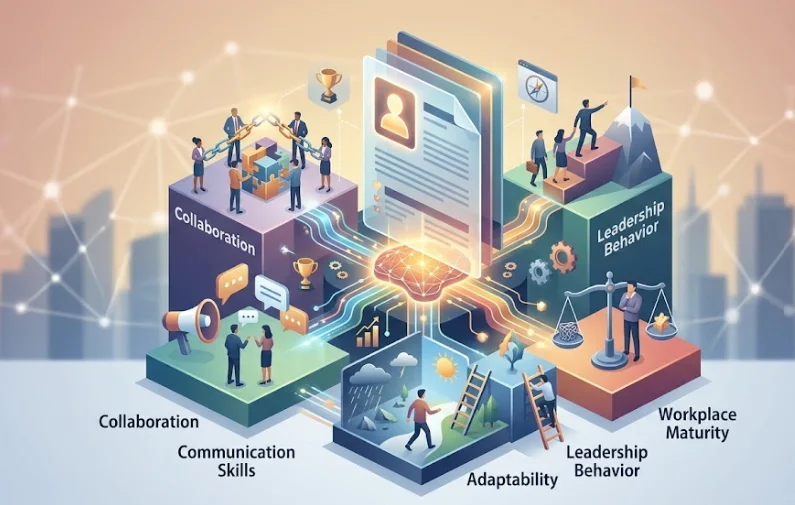
Modern hiring is no longer focused only on technical skills and experience. Emotional intelligence has become a key differentiator in how candidates are evaluated, especially in collaborative, fast-changing, and cross-functional work environments. While resumes cannot directly display personality, they can strongly reflect emotional intelligence through language, structure, and evidence of behavior. A well-written resume today does more than show what you can do. It shows how you work with people, handle pressure, and contribute to team success.
What Emotional Intelligence Means in Hiring
Emotional intelligence in hiring refers to how well a candidate understands and manages:
- Their own behavior and responses
- Relationships with colleagues and stakeholders
- Workplace challenges and pressure situations
It is not about being overly expressive. It is about demonstrating awareness, balance, and effective interpersonal behavior.
Why Emotional Intelligence Matters More Today
Workplaces have become more collaborative, remote, and fast-paced. As a result, technical skills alone are not enough.
Emotional intelligence matters because:
- Teams rely heavily on collaboration and communication
- Remote work requires strong self-management
- Cross-functional projects require adaptability
Recruiters look for candidates who can work effectively with others under changing conditions.
How Emotional Intelligence Appears in a Resume
Even though resumes are factual documents, emotional intelligence can be reflected through how achievements and experiences are described.
It appears in:
- Collaboration-focused achievements
- Leadership in team environments
- Conflict resolution and stakeholder management
- Adaptability in changing roles or environments
The key is showing behavior through outcomes, not personality descriptions.
Key Emotional Intelligence Traits Recruiters Look For
Recruiters often evaluate emotional intelligence through indirect signals in resumes.
Important traits include:
- Self-awareness in professional growth
- Empathy in teamwork and communication
- Adaptability in dynamic environments
- Responsibility in decision-making
These traits are inferred from how work is described.
How Communication Style Reflects Emotional Intelligence
The tone and clarity of a resume reflect communication ability, which is a core part of emotional intelligence.
Strong communication in resumes includes:
- Clear, concise bullet points
- Balanced tone without exaggeration
- Focus on outcomes rather than opinions
A cluttered or unclear resume can unintentionally signal weak communication skills.
Showing Collaboration Without Overstating It
Collaboration is one of the most important emotional intelligence indicators in resumes.
Effective ways to show it include:
- Highlighting cross-functional project involvement
- Describing shared outcomes and team achievements
- Emphasizing coordination with stakeholders
The goal is to show teamwork as part of results, not just participation.
Demonstrating Conflict Resolution and Adaptability
Emotional intelligence is especially visible in how candidates handle challenges.
Resumes can reflect this through:
- Process improvements after identifying inefficiencies
- Successful handling of shifting project requirements
- Resolution of operational or communication challenges
These examples show maturity in handling workplace complexity.
Emotional Intelligence in Leadership-Oriented Roles
In leadership roles, emotional intelligence becomes even more important.
It is demonstrated through:
- Team development and mentorship outcomes
- Stakeholder management success
- Ability to guide teams through change
Strong leadership resumes focus on influence, not authority alone.
Common Mistakes When Showing Emotional Intelligence
Many candidates unintentionally weaken their emotional intelligence signals.
Common mistakes include:
- Using vague phrases like good team player without evidence
- Overemphasizing personality traits instead of outcomes
- Ignoring collaboration details in achievements
- Failing to show adaptability through real examples
Without evidence, emotional intelligence becomes a claim rather than a signal.
Before and After Resume Examples
Before:
- Worked well with team members and contributed to projects
After:
- Collaborated with cross-functional teams to deliver projects on time, improving coordination efficiency and reducing delivery delays
Before:
- Handled difficult situations in projects
After:
- Resolved project workflow challenges by improving communication between stakeholders, resulting in smoother execution and fewer delays
Before:
- Supported leadership team with tasks
After:
- Supported leadership decision-making by preparing structured reports and insights that improved planning accuracy and execution outcomes
Conclusion
Emotional intelligence plays a growing role in modern hiring, and resumes are one of the first places where it is evaluated. While it cannot be stated directly as a personality trait, it can be clearly demonstrated through collaboration, communication, adaptability, and problem-solving examples.
A strong resume does not simply list what was done. It shows how work was done in a way that reflects awareness, teamwork, and professional maturity.
When emotional intelligence is embedded into achievements rather than stated as a claim, it becomes a powerful differentiator in competitive job markets.